What it holds
Kimchi carries preservation, seasonality, labor, and community. It reflects the wisdom of fermentation and the way a staple food can hold household identity.
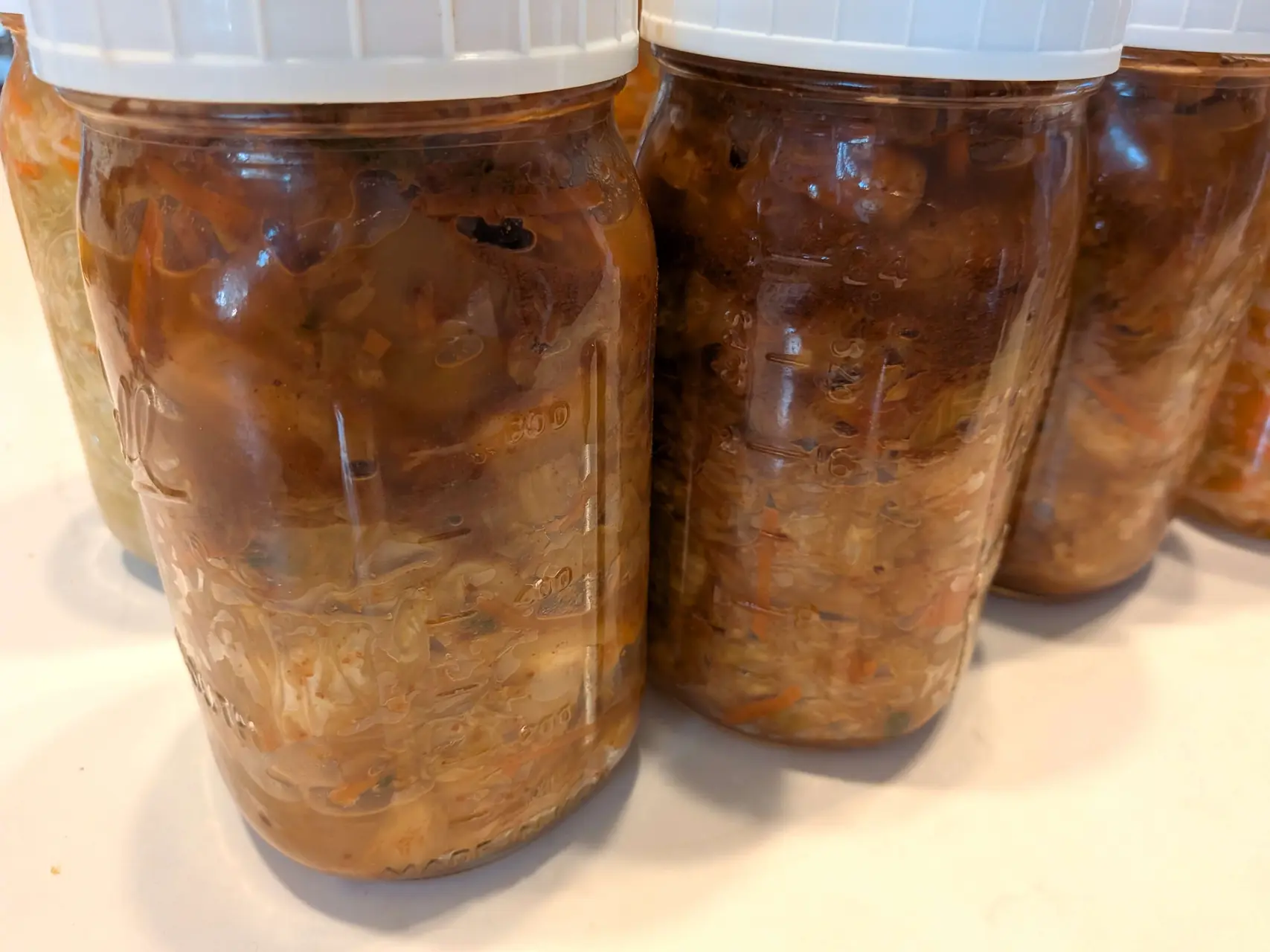
Kimchi is a Korean fermented vegetable dish, most commonly made with napa cabbage or radish, salt, chile, garlic, ginger, and other seasonings.
At the table
Shared dish, personal versions
Be the first to preserve how this dish appeared at your table.
What it holds
Kimchi carries preservation, seasonality, labor, and community. It reflects the wisdom of fermentation and the way a staple food can hold household identity.
At the table
It appears at everyday meals, family tables, and ceremonial moments, often as part of banchan. It can be a side dish, ingredient, condiment, and foundation for soups, stews, fried rice, or pancakes.
Variations
Variations include baechu kimchi, kkakdugi, cucumber kimchi, water kimchi, white kimchi, seasonal kimchi, and regional or household versions. Fermentation time, spice level, seafood additions, and vegetable choice vary widely.
What remains
What remains is never static because kimchi keeps changing as it ferments. It continues through time, becoming sharper, deeper, and useful in new dishes.