What it holds
Rugbrod carries the practicality of bread as a daily anchor. It is not flashy, but it gives structure to a meal and to a food tradition.
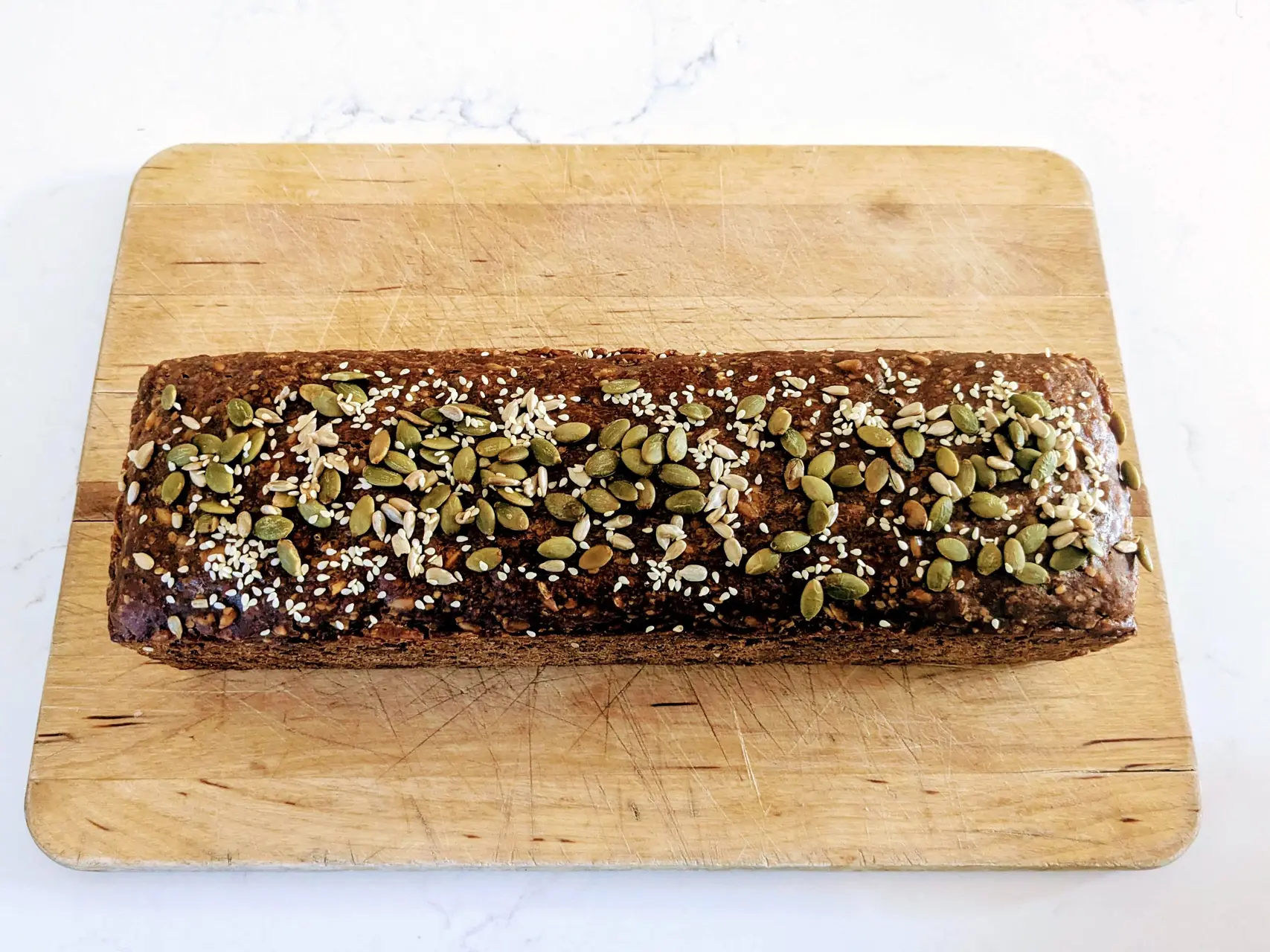
A fermented rye loaf often made with sourdough, rye flour, wheat flour, molasses or another sweetener, and a generous mix of seeds and grains. It is usually sliced thinly after cooling completely.
At the table
Shared dish, personal versions
Be the first to preserve how this dish appeared at your table.
What it holds
Rugbrod carries the practicality of bread as a daily anchor. It is not flashy, but it gives structure to a meal and to a food tradition.
At the table
Rugbrod is the foundation for everyday Danish open-faced sandwiches. It can also be eaten with butter, cheese, fish, eggs, or simple savory toppings.
Variations
Seed mixtures vary widely. Sunflower seeds, pumpkin seeds, flax, sesame, almonds, rye flakes, and other grains can all appear. The loaf can be darker, lighter, denser, or softer depending on flour and fermentation.
What remains
A loaf of rugbrod rewards patience. It asks for fermentation, cooling, slicing, and the kind of steady kitchen rhythm that turns simple bread into a foundation.